
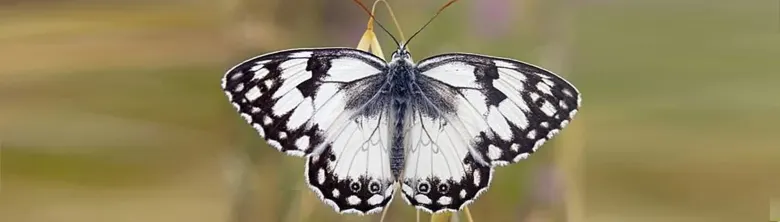
Butterfly Photography
Photographing wildlife in nature is one of the enjoyable experiences. Unlike photographing other objects, where one can prepare and plan the shot, in wildlife photography we also need luck and patience in order to "capture" a successful photo and a natural, beautiful "pose" of the animal. Photographing small animals such as insects and butterflies (macro photography) is more challenging, because in addition to the difficulties of photographing in nature, there are additional difficulties: the first - macro photography is the most complex and difficult in the world of photography. The difficulty stems mainly from the shallow depth of field; and the second - one must get close to the insect to the point of touching it, and it is difficult to do this without scaring it away.
Butterfly photography is an intermediate case:
Most butterfly photographs (of adults) are from above or from the side. Butterflies are relatively flat animals, and the depth-of-field problem exists but is less severe. On the other hand, butterflies are flying, skittish creatures that usually flee when approached.
In photographs of eggs, caterpillars, and pupae, the situation is the opposite. They are indeed stationary, but they are three-dimensional and there is a depth-of-field problem.
It is important to remember that there is no magic formula and experience is the most important component in photography in general and in macro photography in particular.
This chapter will deal with the equipment and technique required for good macro photography, with an emphasis on butterfly photography.
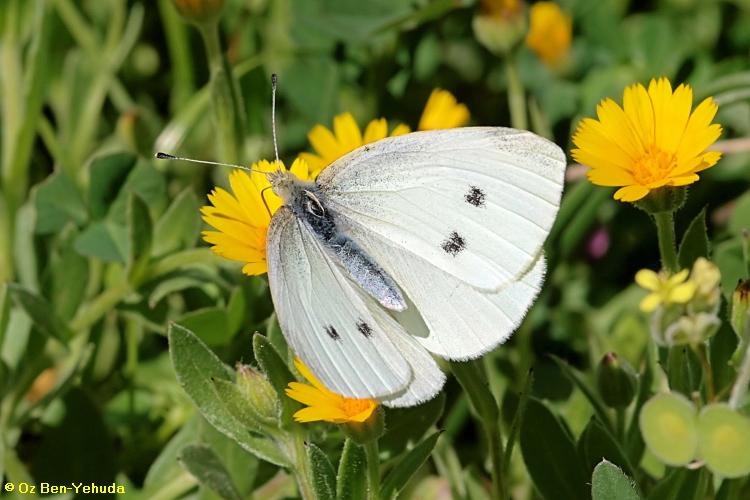
Continued >>> Introduction to Butterfly Photography