Bats of Israel - List of species
Bats of Israel - List of species
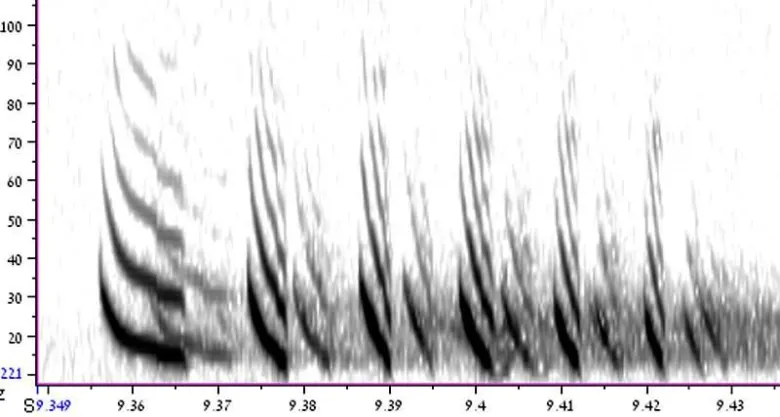
Photo | Species name | General information | Sounds | Additional information |
 | Long-fingered bat | Lives in deep, humid caves in the Mediterranean region. Feeds over bodies of water. In Israel, it is endangered | 50-53 (30-60) kh | |
 | European free-tailed bat | A striking and large species - appears in the page headers on the site. One of the most common bats in Israel, found in all parts of the country and active throughout the year. The only species whose call is clearly heard from a great distance, even without a detector. | 14-17 (11-60) kh | |
 | Egyptian fruit bat | The largest bat in the country, the only representative of the suborder of megabats in Israel. In captivity it lives a long time – up to 20 years. | ||
Myotis blythii | Lives in deep, humid caves in the Mediterranean region. In Israel, it is endangered. | 32-33 (32-140) kh | ||
 | Common noctule | Lives in cliff cracks and cracks in tree trunks near humid habitats .
| 18-25 (15-75) kh | |
 | Greater mouse-tailed bat | A species known לאורך the Rift from Mount Sodom to the Hula Valley. Lives in caves and abandoned buildings. The population in Israel numbers several thousand individuals. Mouse-tailed bats are distinguished by their long tail protruding from the flight membrane. Classified in the Red Book as a species whose future is in danger | 27 (22-37) kh | |
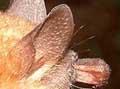 | Notched-eared bat | A small bat living in deep, humid caves in the Mediterranean region. In Israel, it is endangered | 50-60 (40-60) kh | |
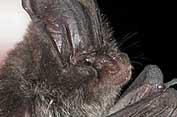 | Black barbastelle | A very small and extremely rare bat. Found in Israel in the Arava between Eilat and Neot HaKikar. In Israel, it is endangered | ||
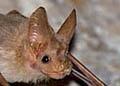 | Lesser mouse-tailed bat | Lives in dry caves and rock shelters. In Israel, it is endangered | 32 (18-80) kh | |
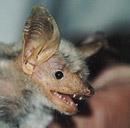 | Greater mouse-eared bat | A large and rare bat in the country. Lives in small, humid caves. In Israel, it is endangered | 35 (35-140) kh | |
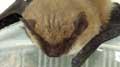 | Botta's serotine | A bat found לאורך the Syrian-African Rift and its margins from Eilat to the Ma'aleh Gilboa area with penetration into the central Negev along Nahal Zin. Lives in cracks and forages near water sources. | 32-33 (25-65) kh | |
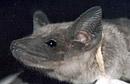 | Greater tomb bat | A large insectivorous bat observed לאורך the Syrian-African Rift in cracks, crevices, and caves . The species forages in open areas, and is also observed rarely in the Judean Foothills. In the country it is classified as endangered. | ||
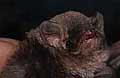 | Schreiber's bent-wing bat | A medium-sized bat found in the Mediterranean region in the Galilee. Lives in deep, humid caves. In Israel, it is endangered. | 55 (88-45) kh | |
Common serotine Eptesicus serotinus | A large bat, lives in cracks and caves. Known from the Galilee, the edges of the Hula Valley, and the Jerusalem Mountains. In Israel, it is endangered | 25-30 (15-65) kh | ||
 | Lesser tomb bat | Known from the Syrian-African Rift region and from the Mount Negev region. Lives in cracks and dry caves. In Israel, the species is endangered. | 30-31 (27-34) kh | |
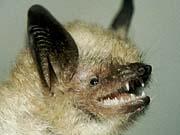 | Whiskered bat | A species that was first discovered in Israel, in Mount Hermon, in 1994. In Israel the species is endangered. | ||
 | Savi's pipistrelle | A small bat known from north of the Sea of Galilee to Mount Hermon. In Israel, this is the southern limit of its distribution. It is endangered. | 36-38 (32-50) kh | |
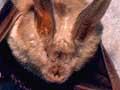 | The Egyptian lesser mouse-tailed bat | Occurs along the Syrian-African Rift Valley. Inhabits small caves and crevices. In Israel, it is endangered. | 75 (60-105) kh | |
Long-eared bat | A small bat with very long ears. Inhabits dry caves and cracks, בעיקר in desert areas. Apparently there are two species of long-eared bat in Israel - the common long-eared bat, which occurs in Hermon and the Mediterranean region and is currently being redefined. | 35-50 (20-50) kh
| ||
Common pipistrelle | In Israel it occurs in the Upper Galilee, the Hula Valley, Mount Hermon, and is also found in the Judean region, the Shephelah, and the coastal plain. The species is classified as endangered. | 48-49 (35-105) kh | ||
 | Greater horseshoe bat | The largest of the horseshoe bat species, found in the Mediterranean region, inhabiting ruins, caves, and tunnels. In Israel it is endangered . | 83-85 (40-105) kh | |
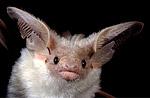 | Otonycteris hemprichi | A large bat, inhabiting cracks and caves mainly in desert areas in the south of the country. In Israel it is endangered | 20-40 kh | |
Ariel's pipistrelle | The species is known from Sudan and Egypt; in Israel, only one specimen has been found so far, dead, in the Judean Desert . its taxonomic status is doubtful | |||
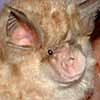 | Blasius's horseshoe bat | A medium-sized horseshoe bat, currently known mainly from the Upper Galilee . in Israel it is endangered | 45 (43-48) kh | |
 | Trident bat | A medium-sized bat, found mainly along the Syrian-African Rift Valley from Eilat and the slopes of Mount Hermon. In Israel it is endangered . | 121 (109-130) kh | |
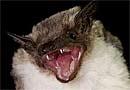 | Rueppell's pipistrelle | A small bat known mainly along the Arava, the southern Dead Sea, and in the central Negev, but it is also found in the Shephelah and the coastal plain. In Israel the species is endangered | 50-60 (37-90) kh | |
Euryale horseshoe bat | A medium-sized horseshoe bat known in the country only from the Upper Galilee. Inhabits deep caves. In Israel it is endangered. | 102-104 (52-108) kh | ||
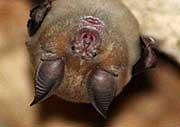 | Lesser horseshoe bat | A small horseshoe bat; its lifespan in the wild can reach 18 years. Its distribution in Israel is relatively broad compared with the other horseshoe bat species. In Israel it is endangered | 104-108 (55-125) kh | |
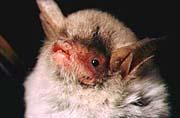 | Natterer's bat | A small bat known from the Mediterranean region in the Galilee, the Menashe Heights, and the Judean Hills. It has also been observed in the Shephelah, and there is a photographed sighting from the Yatir area. In Israel it is endangered . | 35-45 (20-70) kh | |
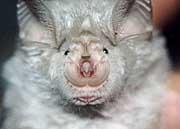 | Blasius's horseshoe bat | Inhabits caves in the Judean Desert and the Negev. Forages in areas of dense vegetation on the edges of water sources. In Israel it is endangered | 90 (44-104) kh | |
 | Kuhl's pipistrelle | A small and common species in the Mediterranean region, with incursions into desert areas. Inhabits natural crevices and enters human dwellings (roof eaves, cracks in walls, etc.) | 40-42 (26-80) kh | |
 | Bodenheimer's pipistrelle | The smallest of Israel's bats, common in the Syrian-African Rift Valley in the area between Ein Gedi and Eilat and throughout the Negev. Endemic to Israel. Endangered . | 44-45 (17-71) kh | |
Mediterranean horseshoe bat Rhinolophus mehelyi | A medium-sized horseshoe bat that is probably extinct from Israel, though it may have been rediscovered there recently. Identifying medium-sized horseshoe bats and distinguishing between them is difficult | 105-112 kh |