
When and where can bats be observed?
Bats are fascinating creatures, and every self-respecting nature lover wants to observe them and learn about them. For reasons that will be described below, this is a very sensitive issue in terms of nature conservation: to date, a large proportion of species are endangered, and a single unnecessary disturbance may be enough to cause the extinction of a species from the fauna of our country
When and where can bats be observed?
Bat watching is a common hobby in many countries around the world. The rules described here are not unique to Israel: these are the rules followed in the world, and in many countries they are even enshrined in law. The most important rule:
Bats are observed when they are active, outside the roost site
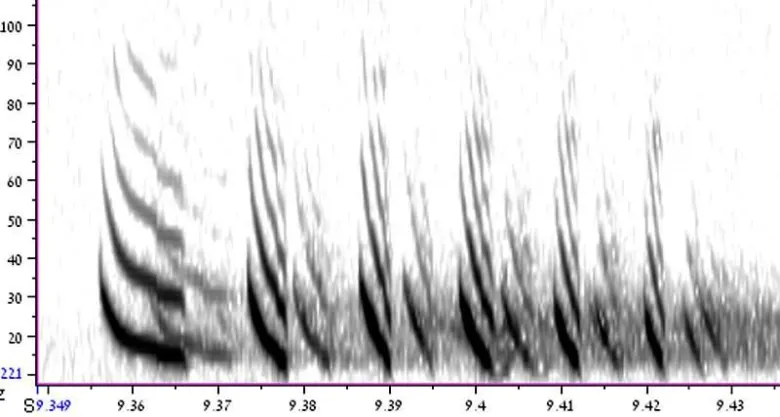
In order to distinguish between species, characterize behavior, become familiar with the calls, and more - they should be observed when they are active. The calls we use for identification, and to which the frequency values in guides refer, are heard when the bat is active and not when it is resting in a crevice or hanging from the ceiling of a cave. Hence this rule does not arise only from the need to protect bats; it is necessary in order to observe them.
Entering bat caves
Even those who are not interested in observing bats are asked not to approach bats living in a cave, and to avoid completely any entry into caves in which bats are staying in winter. The reason entry into bat caves in winter is prohibited: most species feed on insects that are hardly active in winter, when the air temperature drops. In order to overcome the shortage of food, insectivorous bats store a little fat in autumn, which they feed on during the long winter. In order for the food reserve to last the bats for the entire winter period, they reduce their activity:
- The metabolic rate drops relative to the normal consumption: the heart beats at a very low rate.
- Body temperature drops from 40 degrees (in flight), to a temperature close to the cave temperature.
Entering a bat cave causes them to wake up and burn a great deal of fat needed to "get through" the winter safely. After the bats "wake up," they are left without fat reserves, and given the low insect activity in the season - also without the ability to renew them. The bats will be left with too little food reserve, which will make it difficult for them to survive the winter season!
Serious damage may also be caused as a result of disturbing bats in caves during the spring: there may be pups there waiting for their mother to return, but she may be deterred by hikers staying near the roost.
Observation sites and times
Bats can be observed throughout the country and there are species active throughout the year, even in the heart of the big cities. They are relatively easy to spot above bodies of water and can be seen hunting insects around street lamps, which also provide lighting for observation.
Fruit bats can be observed being drawn to fruit trees (Neem, for example) - due to their size, many details can be seen even without any auxiliary equipment. With binoculars we can distinguish many details and may even be lucky enough to observe a female fruit bat carrying a pup. Insectivorous bats can be observed hunting in flight above water sources and around street lamps. If we know of a bat colony, we can position ourselves near it in the evening and watch them against the bright sky as they emerge to become active.
?What equipment is needed
Bats can also be observed without using any special equipment, however, in order to identify and become familiar with bats, a bat detector is needed; the detector is an essential tool for observing bats, just as binoculars are essential for observing birds.